Feel it wear.
Drag from a new brake pad to metal on metal. Watch it, hear it, and see what the work becomes.
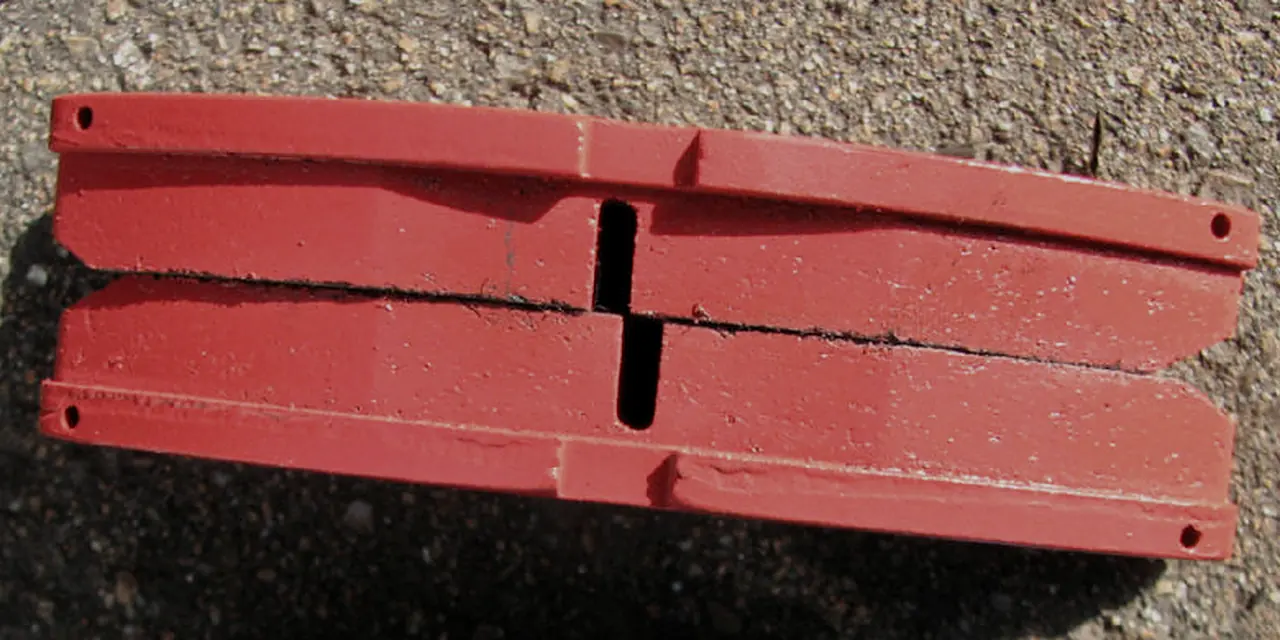
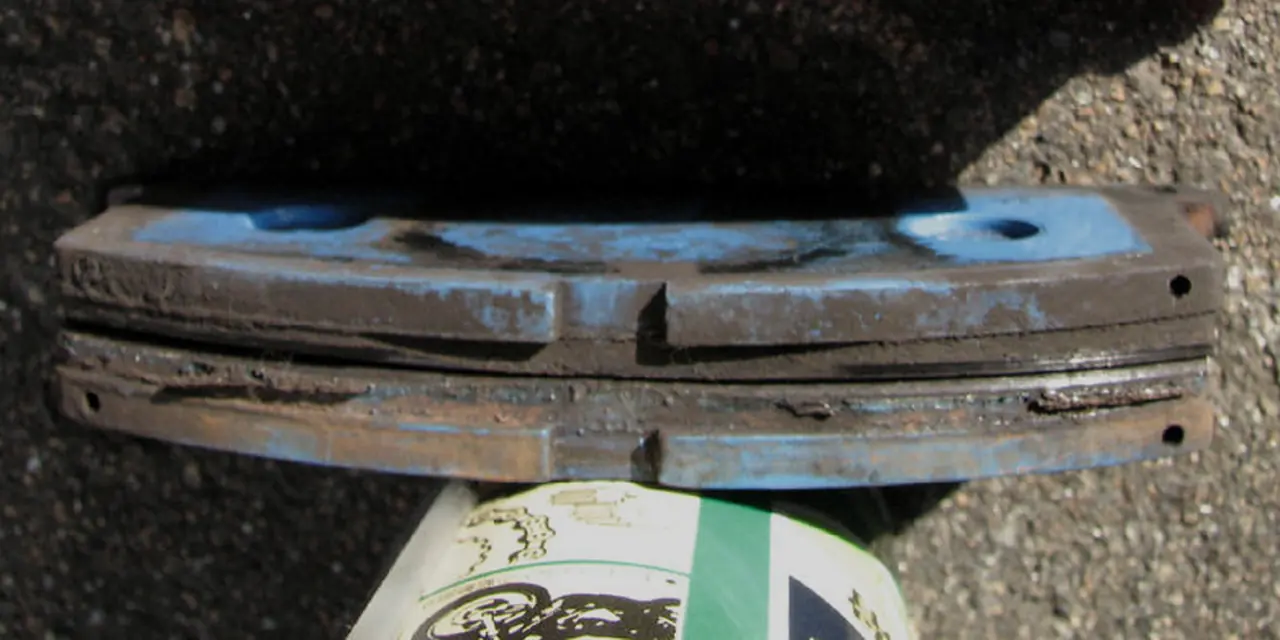
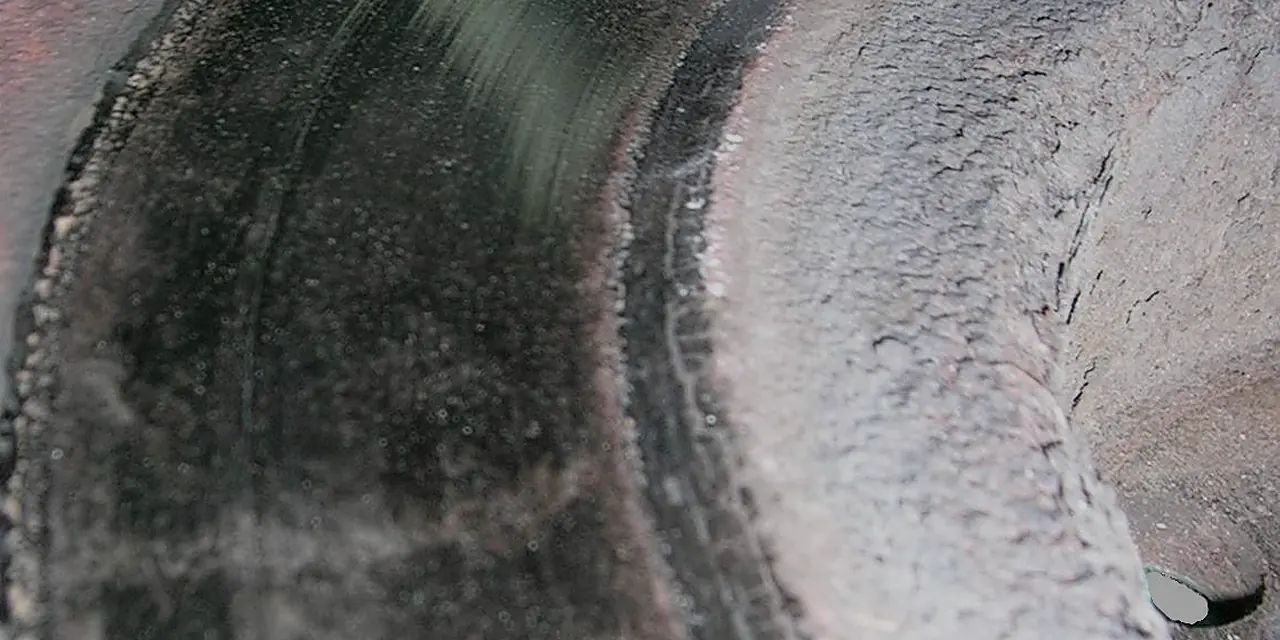
Photographs of real pads and a real rotor, shown as one pad wearing. The millimetres are for a typical pad. Yours depends on the car.
Photographs, cropped and darkened: the pads by Tokino, the rotor by Maly LOLek, Wikimedia Commons, CC BY-SA 3.0.


12.0mm left
Plenty left.
Pads.
Pads on one axle usually run $200 to $400 in the GTA. Fares quotes yours flat, before any work.
New. Most cars start with about 10 to 12 mm of friction material.
Worn. A pair used for about two years, the friction material nearly gone.
Past the pad. A rotor that has been cut and ridged is what metal on metal leaves behind.
Photographs, cropped and darkened: the pads by Tokino, the rotor by Maly LOLek, Wikimedia Commons, CC BY-SA 3.0.
Most cars: replace the pads around 3 mm. Wear indicators usually sound at about 2 to 3 mm. Pads only on one axle usually run $200 to $400 in the GTA. Pads and rotors on one axle, most cars: $300 to $400, flat, quoted before any work.
Not sure where yours are? Fares measures them at your car.
Numbers vary by car. New pads are about 10 to 12 mm on most. Most shops replace around 3 mm. Wear indicators sound at about 2 to 3 mm. Some cars have a sensor and a dash light instead of a squeal.
Have them measured.
Your car and where it is parked. Fares measures the pads and tells you what he found. You agree one flat price before any work starts.